Your 9 PM Vibe Tells A Lot About Your Health!
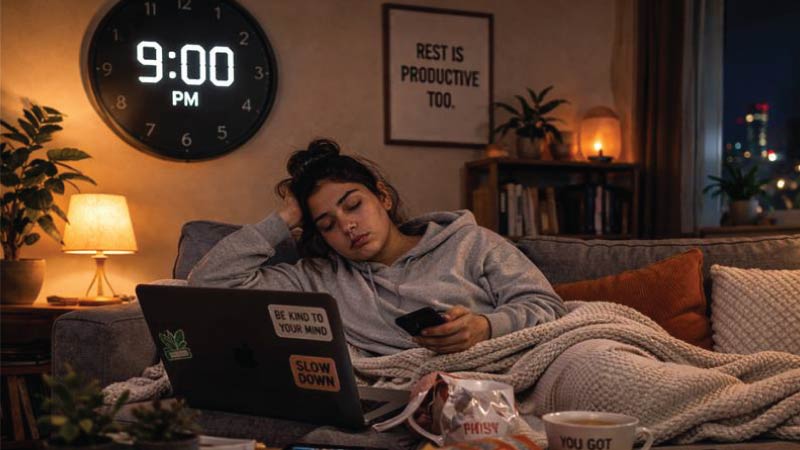
There is a version of you that only shows up after 9 PM.
It is not the disciplined, goal-oriented, morning version.
It is not the one that drinks warm water, stretches, and promises to “eat clean today.”
The 9 PM version is tired. Slightly restless. A little hungry, even after dinner. And far more honest than you think.
This version does not care about your long-term goals. It cares about comfort, relief, and escape.
And quietly, consistently, it is shaping your health.
The Most Underrated Health Window of the Day
We obsess over mornings.
Morning routines. Morning workouts. Morning detox drinks.
But real life does not fall apart at 7 AM. It slips at 9 PM.
This is when:
- Cravings peak
- Screen time spikes
- Emotional fatigue kicks in
- Self-control drops
What you do in this window has a disproportionate impact on:
- Weight management
- Sleep quality
- Digestion
- Mental recovery
You can eat perfectly all day, but if your nights are chaotic, your body never fully resets.
Meet Your 9 PM Self
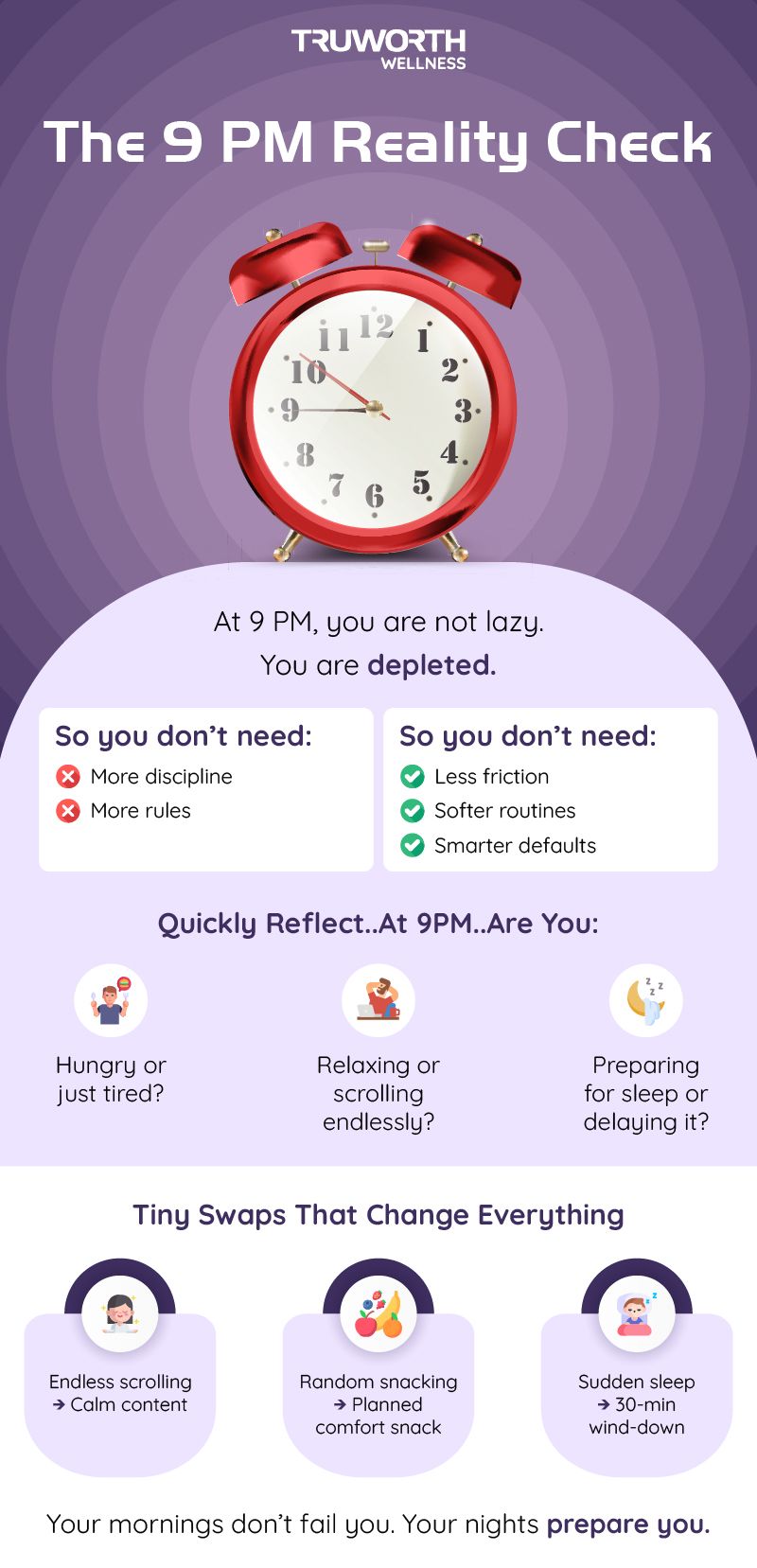
Your 9 PM self is not “lazy” or “undisciplined.” It is depleted.
Throughout the day, you make hundreds of decisions.
By evening, your cognitive energy is low. This is called decision fatigue.
So instead of asking, “Why do I mess up at night?”
Ask, “What is my body asking for at night?”
Usually, it is one of these:
- Comfort
- Stimulation
- Distraction
Rest
The problem is not the need. It is how we respond to it.
The Silent Habits That Start at 9 PM
You may not notice them, but they repeat daily.
Also Read: 10 Steps To Making Quick Great Decisions
The “I Deserve This” Snack Loop
You have had a long day. So you reward yourself with something quick and satisfying.
It starts small:
- A biscuit.
- A handful of namkeen.
- A piece of chocolate.
But this is not hunger. It is emotional compensation.
And over time, it becomes a pattern your brain expects.
Cravings That Are Often Mistaken For Hunger – And What To Do?
The Endless Scroll
You pick up your phone for “just 5 minutes.”
Suddenly, it is 11:30 PM.
This is not about lack of discipline. It is about overstimulation.
Your brain, already tired, seeks easy dopamine.
Short videos, reels, endless content.
It keeps you awake, alert, and wired.
But here is the catch: You feel tired and stimulated at the same time.
That is the worst combination for quality sleep.
 Truworth Wellness
The Delayed Sleep Trap
You know you should sleep. But you don’t want the day to end.
So you delay it.
This is often called revenge bedtime procrastination.
It is your mind trying to reclaim “me time.”
But what you gain in those extra 60 minutes, you lose in:
- Energy the next day
- Hormonal balance
- Metabolic recovery
Truworth Wellness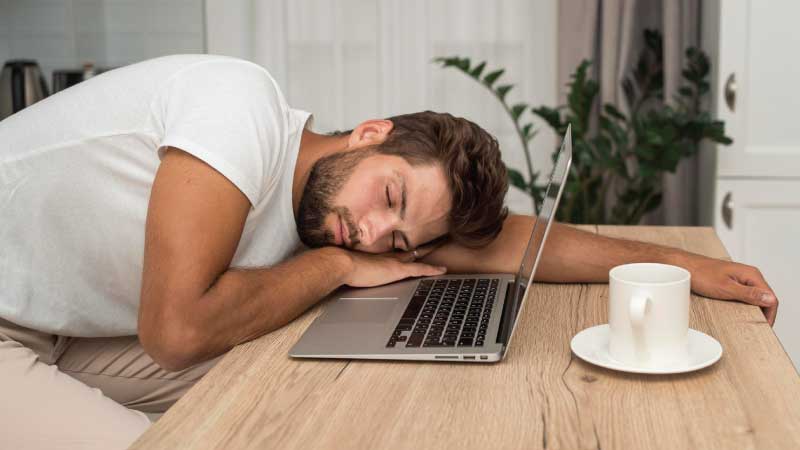
The Late Digestion Load
Late dinners or post-dinner snacking seem harmless.
But your body is not designed to digest heavily at night.
This can lead to:
- Bloating
- Acid reflux
- Poor sleep quality
If you have ever felt discomfort lying down after eating, your body is already signaling this imbalance.
A Mid-Thought Pause: You don’t need a better morning routine. You need a kinder night routine.
Why Nights Matter More Than You Think?
Your body repairs at night.
- Hormones regulate.
- Muscles recover.
- The brain processes emotions and memories.
But this only happens efficiently when:
- You sleep on time
- Your body is not overloaded with food
- Your mind is not overstimulated
Late-night habits interfere with all three.
So even if your daytime efforts are perfect, your nights can quietly undo them.
Truworth Wellness
The 9 PM Reset: Small Shifts That Actually Work
You don’t need a drastic routine. You need a realistic one.
Create a “Soft Stop” Instead of a Hard Rule
Instead of saying, “No phone after 9 PM,” which rarely works, try this:
Shift your content.
- Watch something slow-paced
- Listen to a podcast
- Read light content
You are not removing stimulation. You are reducing its intensity.
Replace the Snack, Not the Habit
Your body still wants comfort.
So instead of eliminating the habit, redesign it:
- Herbal tea
- A small bowl of fruit
- A lighter, planned snack
This removes guilt without creating resistance.
Build a Wind-Down Cue
Your body needs signals.
Something that tells it, “We are slowing down now.”
It can be:
- Dimming lights
- A warm shower
- Gentle stretching
Consistency matters more than complexity.
Fix the Dinner Timing, Not Just the Dinner
What you eat matters. But when you eat matters more at night.
Try to:
- Finish dinner 2 to 3 hours before sleep
- Keep it lighter than lunch
This alone can improve digestion and sleep significantly.
Protect Your Last 30 Minutes
This is the most critical window.
Avoid:
- Work emails
- High-stimulation content
- Heavy discussions
Instead, shift to:
- Silence
- Reflection
- Calm environments
Think of it as a buffer between your day and your sleep.
Another Pause: Your health is not built in extreme actions. It is built in repeated evenings.
The Corporate Reality: Why This Matters More Now?
For working professionals, evenings are no longer predictable.
Late meetings. Flexible work hours. Constant notifications.
Which means: The boundary between “day” and “night” is blurred.
This makes the 9 PM window even more important.
Because if you don’t consciously design your evenings, your environment will design them for you.
Where Most Wellness Programs Miss the Point?
Most wellness initiatives focus on:
- Fitness challenges
- Nutrition plans
- Step counts
But they ignore behavior patterns that happen after work hours.
This is where real intervention is needed.
Because no amount of step tracking can offset:
- Chronic late nights
- Emotional eating patterns
- Digital overstimulation
A more effective approach looks at:
- Habit timing
- Emotional triggers
- Daily energy cycles
- A Practical Reflection
Tonight, don’t try to change everything.
Just observe your 9 PM self.
Ask:
- What am I reaching for and why?
- Am I tired, bored, or actually hungry?
- What would feel calming instead of stimulating?
Awareness is the first shift.
Closing Thought
There are two versions of you every day.
The one who plans in the morning.
And the one who decides at night.
Your results don’t come from the planner.
They come from the decider.
So if something feels “off” in your health journey,
don’t just fix your mornings.
Meet your 9 PM self.
Understand it.
Support it.
Because that is where the real change begins.