Employee Wellbeing In Manufacturing Industry Isn't Just About Safety Anymore
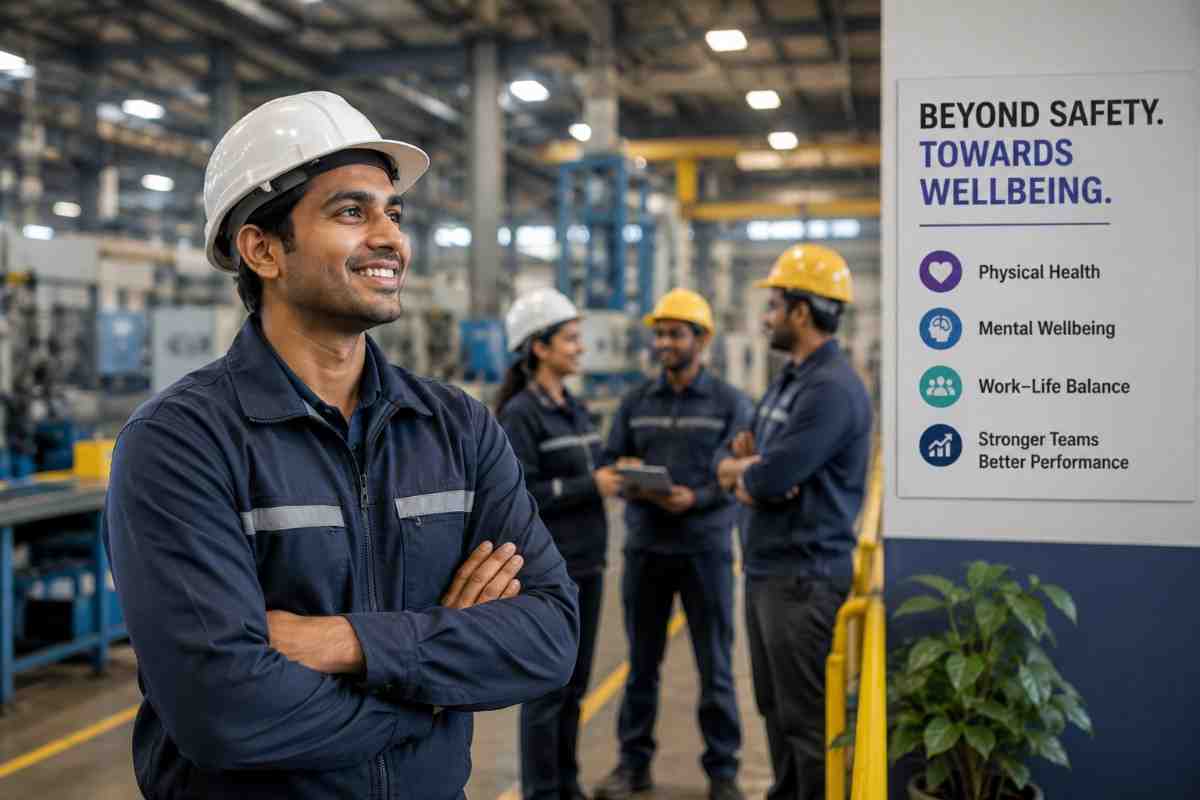
When most people think about manufacturing, they think of machines, production lines, quality control, and output targets.
But there's another system running alongside every production line: the people operating it.
As manufacturing becomes increasingly automated and technologically advanced, the human element has become even more valuable. Modern factories rely on employees who can make quick decisions, solve problems, maintain precision, and adapt to changing production demands.
Yet many manufacturers still view employee wellbeing primarily through the lens of occupational safety.
Safety is essential, but wellbeing goes much further.
A worker can wear every piece of protective equipment correctly and still arrive exhausted after consecutive night shifts. They can avoid injuries while silently developing diabetes, hypertension, or chronic stress. They can meet production targets while gradually burning out.
Today's manufacturing workforce needs more than accident prevention. It needs a holistic approach to wellbeing.
Manufacturing Has Changed. Employee Wellbeing Must Change Too.
Manufacturing jobs have evolved dramatically over the past decade.
Employees today are expected to:
- Operate sophisticated machinery
- Monitor automated systems
- Maintain quality standards
- Meet tighter production timelines
- Adapt to digital workflows
- Continuously upskill
This shift has reduced some physical labour but increased mental demands.
The challenge is no longer just lifting heavy loads. It is maintaining concentration, staying alert during long shifts, and making accurate decisions throughout the day.
That requires healthy employees.
Night Shift, Field Work, Remote. Does Your EAP Actually Reach All Your Employees?
The Hidden Costs Nobody Sees on the Production Floor
Most manufacturers measure downtime when machines stop.
Few measure what happens when employees are working below their best.
It may look like:
- Small quality defects
- Slower production speeds
- Increased rework
- Missed maintenance checks
- Delayed decision-making
- Reduced collaboration between shifts
These aren't always caused by poor skills. Often, they stem from fatigue, untreated health conditions, stress, or poor sleep.
Employee wellbeing affects operational efficiency long before it shows up in HR reports.
Shift Work Changes More Than Working Hours
Rotating shifts keep factories running 24/7, but they also disrupt routines that most people take for granted.
Night shifts can affect:
- Sleep quality
- Eating habits
- Physical activity
- Family time
- Mental wellbeing
Instead of expecting employees to simply "adjust," organisations can provide practical support such as sleep education, healthier meal options during night shifts, and fatigue management strategies.
Small changes often produce meaningful improvements.
Chronic Diseases Are Becoming a Shop Floor Challenge
Many manufacturing employees spend years focused on production while quietly ignoring their own health.
High blood pressure rarely causes immediate symptoms. Neither does high cholesterol. Or prediabetes.
Without regular health screenings, these conditions often remain undetected until they become serious medical problems.
Preventive health check-ups help organisations identify risks early, allowing employees to seek timely care before health issues begin affecting attendance or productivity.
Wellbeing Should Be Built Into the Workday
The most successful manufacturing companies don't ask employees to think about health only after work.
Instead, they integrate wellbeing into everyday operations.
This could include:
- Stretching before shifts begin
- Hydration reminders during hot weather
- Healthy canteen choices
- Mental health awareness sessions
- Annual health screenings
- Ergonomic workstation improvements
- Short recovery breaks for repetitive tasks
Wellbeing becomes part of how work happens rather than something extra employees have to fit into their day.
Managers Play a Bigger Role Than They Realise
Employees don't experience company culture through policies.
They experience it through supervisors.
A manager who notices fatigue, encourages breaks, listens to concerns, or supports flexible solutions can have a significant impact on employee wellbeing.
Training frontline managers to recognise signs of stress and burnout is often one of the most valuable investments a manufacturer can make.
Healthy Employees Build Better Manufacturing Businesses
When wellbeing improves, the benefits extend beyond individual employees.
Manufacturers often see:
- Better attendance
- Higher productivity
- Improved morale
- Greater retention
- Fewer quality issues
- Stronger safety performance
- Lower healthcare costs
These outcomes reinforce one another, creating a healthier workplace and a stronger business.
Here is an expanded and comprehensive version of the text, structured to highlight specific impact areas for manufacturing organizations:
How Truworth Wellness Can Help?
Creating a healthier, more resilient manufacturing workforce requires tailored solutions that respect the unique operational realities of the sector; including 24/7 shift schedules, demanding physical labor, and shop-floor accessibility constraints. Truworth Wellness collaborates with manufacturing organizations to design and execute integrated corporate wellness programs that bridge the gap between occupational safety and everyday personal health.
Comprehensive On-Site & Digital Wellness Solutions
- On-Site Health Screening & Preventive Care: Conducting tailored medical health check-ups, occupational health screenings, and early-detection diagnostics directly on factory premises to catch chronic risk factors before they impact productivity.
- Flexible Digital Health Infrastructure: Providing an intuitive mobile app and portal that allows multi-shift workers to complete digital health risk assessments (HRAs), access records, and track health goals at their own convenience.
- Workplace Nutrition & Shift-Worker Support: Offering customized dietary guidance, meal planning strategies, and consultations focused on managing fatigue, digestive health, and energy levels for rotating shift employees.
- Proactive Mental Health & EAP Services: Delivering confidential mental health counseling, stress management workshops, and Employee Assistance Programs (EAPs) designed to combat burnout and build resilience in high-pressure operational environments.
- On-Demand Medical Consultations: Enabling round-the-clock access to qualified general physicians, specialists, and wellness experts via teleconsultations for both employees and their families.
- High-Engagement Wellness Challenges: Gamifying health initiatives through team steps challenges, safety-wellness drives, and incentive programs that foster peer support and active participation across factory units.
Driving Measurable Value for Manufacturing Leaders
By embedding health and wellbeing into the core of daily operations, Truworth Wellness empowers manufacturers to achieve key organizational outcomes:
- Reduced Absenteeism & Presenteeism: Decreasing unplanned sick leave and workplace fatigue-related slowdowns through continuous health management.
- Enhanced Workplace Safety: Improving alertness, focus, and physical fitness on the shop floor to lower the risk of occupational injuries and safety incidents.
- Improved Retention & Morale: Demonstrating a genuine commitment to employee health, which strengthens workforce loyalty, boosts morale, and positioning the company as an employer of choice.
The result is a culture of health where employees are vital, productive, and better equipped to meet the rigorous demands of modern manufacturing.
Conclusion
Manufacturing has always invested heavily in maintaining machines because breakdowns are expensive.
The same thinking should apply to people.
Supporting employee wellbeing isn't about adding another workplace programme. It's about ensuring the workforce has the physical health, mental resilience, and energy needed to keep operations running smoothly.
The factories that succeed in the coming years won't simply have the smartest technology. They'll have the healthiest people behind it.